Northeast Atlanta continues to draw buyers and sellers for good reasons: diverse neighborhoods, strong schools, growing employment centers, and improving transit options. Whether you are preparing to list your home or hunting for your next one, a clear, local-first strategy will save time, increase value, and reduce stress. This post lays out practical, long-lasting steps that work in today's market and will remain useful as the market evolves.
Start with neighborhood-level clarity. In Northeast Atlanta the difference between two blocks can be worth tens of thousands of dollars. Look beyond city names to the specifics that matter: proximity to MARTA stations, access to GA-400 and I-285, recent infill projects, and planned commercial upgrades. Walk the streets at different times of day. Talk to neighbors. Local trends like new restaurants, school boundary shifts, or a planned park can tip the balance between a good purchase and a great one.
Use data the right way. Median sale price and days on market are helpful, but the more useful indicators are trends in price per square foot, inventory changes by price band, and how quickly homes near you that are staged well and priced correctly are selling. Pull recent comparable sales within a half mile and filter by homes with similar lot sizes, finishes, and school zones. This is how you determine a listing price that gets attention without leaving money on the table.
For sellers focus on incremental investments with strong returns. In Northeast Atlanta, modest upgrades often beat large projects when time and ROI matter. Fresh paint in neutral tones, strategic lighting, decluttering, and professional photos typically generate the biggest lift per dollar spent. Curb appeal matters: tidy landscaping, a clean entry, and clear house numbers make a quick first impression online and in person.
Buyers should match wish lists to resale reality. If you want the highest long-term value, prioritize functional spaces and systems: a well-laid-out kitchen, sufficient storage, energy-efficient windows and HVAC, and flexible rooms that can serve as home offices. Even if you plan cosmetic updates, strong bones—roof, foundation, electrical—are non-negotiable. Factor resale from day one by checking HOA rules, lot orientation, and whether the property sits in a flood zone or historic district.
Timing and pricing both matter more than headlines. Interest rate swings get attention, but local inventory and buyer demand drive the best opportunities. In a snug market, pricing competitively will attract multiple offers; in a looser market, a conservative offer combined with inspection contingencies protects buyers. Sellers should be prepared to negotiate not only price but concessions, closing timelines, and contingencies. Understanding which terms matter most to the other side often seals the deal.
Prepare for inspections and disclosures early. Sellers who pre-inspect and address obvious repairs reduce friction and build buyer confidence. Buyers who use inspections to learn rather than to nullify a purchase tend to close faster and preserve goodwill. Keep documentation for any recent upgrades or repairs handy to smooth appraisal and financing steps.
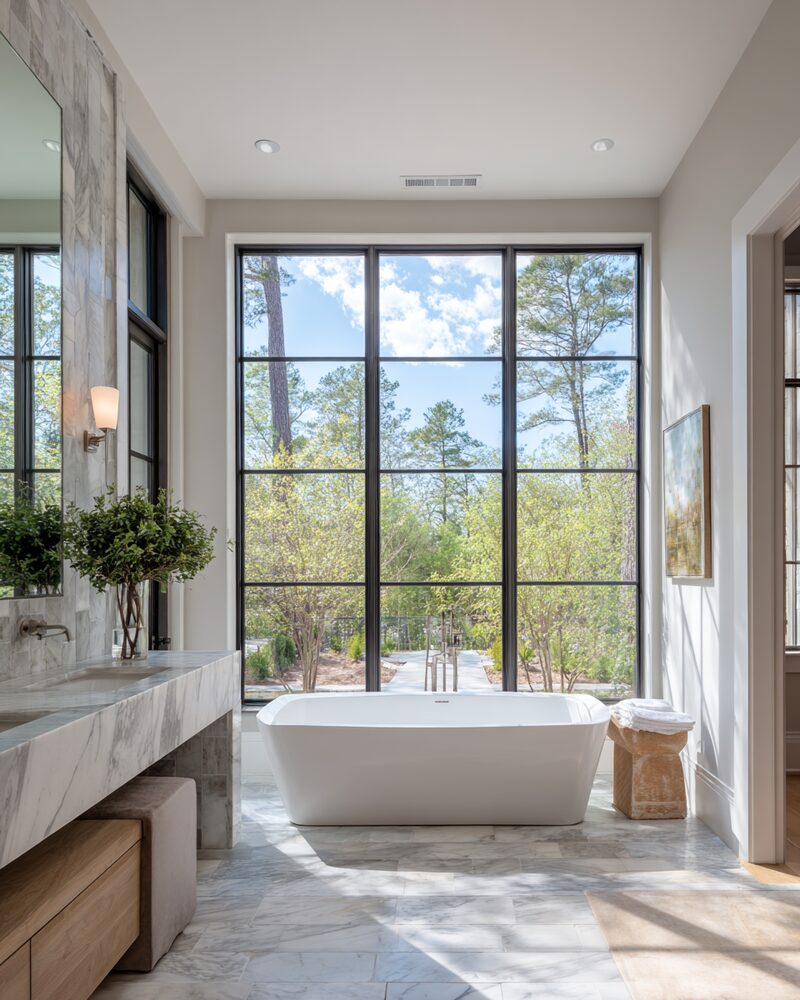
Staging and photography are not optional. Most buyers begin online. Highlight how spaces flow, demonstrate scale with furniture, and use bright, inviting photos. Virtual tours and accurate floor plans improve online engagement and reduce frivolous showings, saving time for both agents and clients.
Think long term about sustainability and maintenance. Energy-efficient upgrades, smart thermostats, and low-maintenance landscaping appeal to modern buyers and reduce ownership costs. Make a maintenance checklist for major systems and share it during listing—buyers appreciate transparency and it builds trust.
For investors and second-home buyers, pay attention to micro-markets. Mixed-use corridors and areas near transit tend to attract renters and future buyers. Evaluate demand for rental types—single-family rentals versus smaller multifamily units—and local rental regulations. Factor in property management availability and turnover costs when modeling returns.
Work with an agent who understands both market data and neighborhood nuance. Local expertise shortens the learning curve on school boundaries, traffic patterns, and which streets attract buyers for certain price bands. If you want tailored advice about listing, pricing, or where to buy in Northeast Atlanta, call Casey Barnett at 678-617-8452 or visit
www.caseysellsga.com for more resources and neighborhood guides.
The best outcomes come from preparation, the right local knowledge, and a clear plan. Buyers who do their homework find homes that fit both lifestyle and future resale goals. Sellers who focus on targeted improvements and price with data win attention and stronger offers. Use these practical steps to make confident moves in Northeast Atlanta now and in the years ahead.
If you are ready to discuss a specific property or neighborhood, I would be glad to help. Call Casey Barnett at 678-617-8452 or explore options at
www.caseysellsga.com.
