Northeast Atlanta is no longer defined only by school districts or commute times. Today buyers and sellers are following lifestyle corridors where daily routines meet convenience, and those corridors are quietly reshaping pricing, demand, and resale potential across neighborhoods. Understanding which corridors matter for your property search or sale is a local strategy that pays off now and will stay relevant for years to come.
For buyers the corridor concept helps narrow choices fast. Instead of comparing whole cities, focus on clusters anchored by parks, weekend dining, health and wellness options, grocery variety, and short commutes to employment centers. Homes for sale in Northeast Atlanta near these everyday anchors tend to attract steady buyer interest and stronger long term value. Look beyond curb appeal to ask which corridor a property belongs to and how that corridor is growing.
For sellers this is a practical way to position your home. Listing photos and descriptions that highlight proximity to lifestyle corridors perform better in search results and showings. When you emphasize nearby routines like morning coffee options, walking routes, school pickup efficiency, or short access to major employers, you help buyers imagine a week in the home. That emotional clarity converts online clicks into higher quality visits and often to stronger offers.
Data still matters. Use recent sales within a one mile radius and compare days on market, list price to sale price ratio, and price per square foot by block or street. Citywide averages hide micro trends. In Northeast Atlanta a single new retail node or transit improvement can lift values block by block. Study inventory levels in those micro areas to determine urgency and negotiation leverage.
Pricing strategy that reflects corridor demand wins. If your home sits inside an active lifestyle corridor, pricing slightly above neighborhood median can work when paired with a compelling marketing narrative. If a corridor is still emerging, price competitively and highlight potential upside. For buyers, make offers that reflect corridor momentum but leave room for inspection and contingency protections.
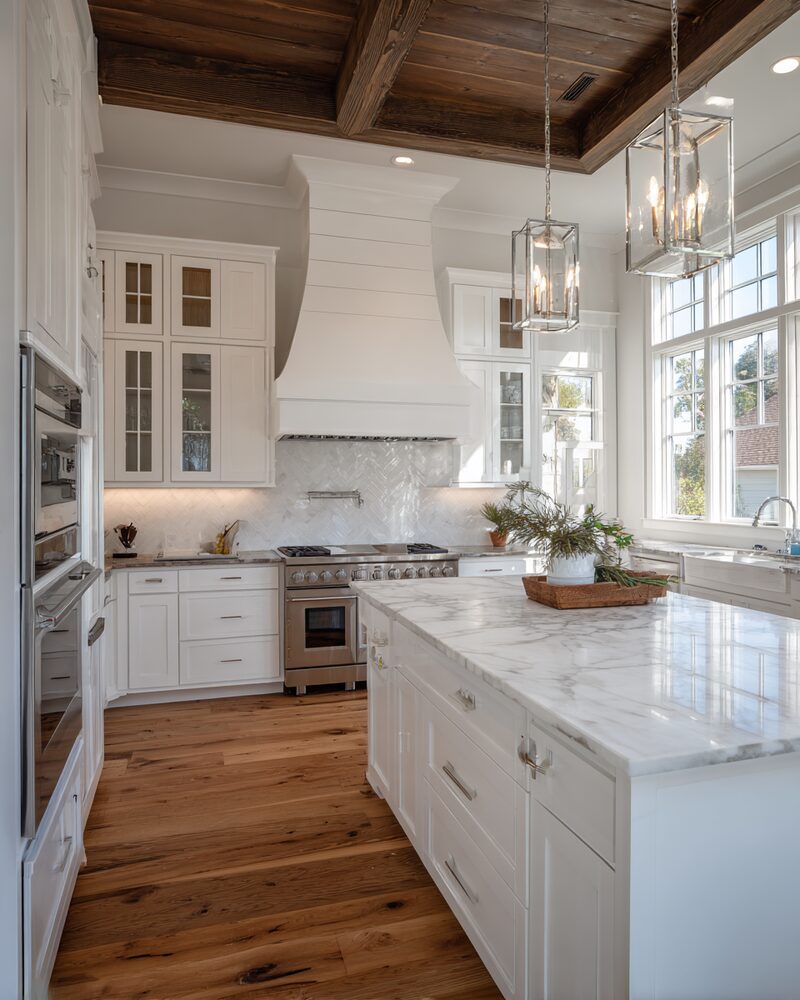
Renovation and staging choices should align with corridor expectations. In corridors prized for outdoor living, invest in landscaping and outdoor spaces. In dining and convenience corridors, prioritize a functional kitchen and open living areas. Small, well executed updates often deliver the best return on investment in Northeast Atlanta. Focus on durable finishes and neutral styling to appeal to a wide pool of corridor-oriented buyers.
Timing remains a factor. Seasonal patterns in Northeast Atlanta influence showing traffic and selling speed, but corridor-driven listings can shorten timelines anytime of year. Keep an eye on local interest rates and inventory shifts; even minor rate changes can affect buyer budgets and the depth of offers in desirable corridors.
For buyers thinking long term, consider corridor resilience. Which nearby anchors are likely to stay popular in a decade? Parks, quality schools, and transit nodes are more durable than a trendy restaurant. For sellers, document and showcase corridor assets in your listing materials to create a lasting story for potential buyers and agents.
If you want a practical next step, get a neighborhood corridor analysis for the specific streets or blocks you care about. I provide targeted reports that show recent sales, corridor anchors, and suggested improvements tailored to buy or sell goals. Contact Casey Barnett at 678-617-8452 or visit
www.caseysellsga.com to request a custom corridor report or a
