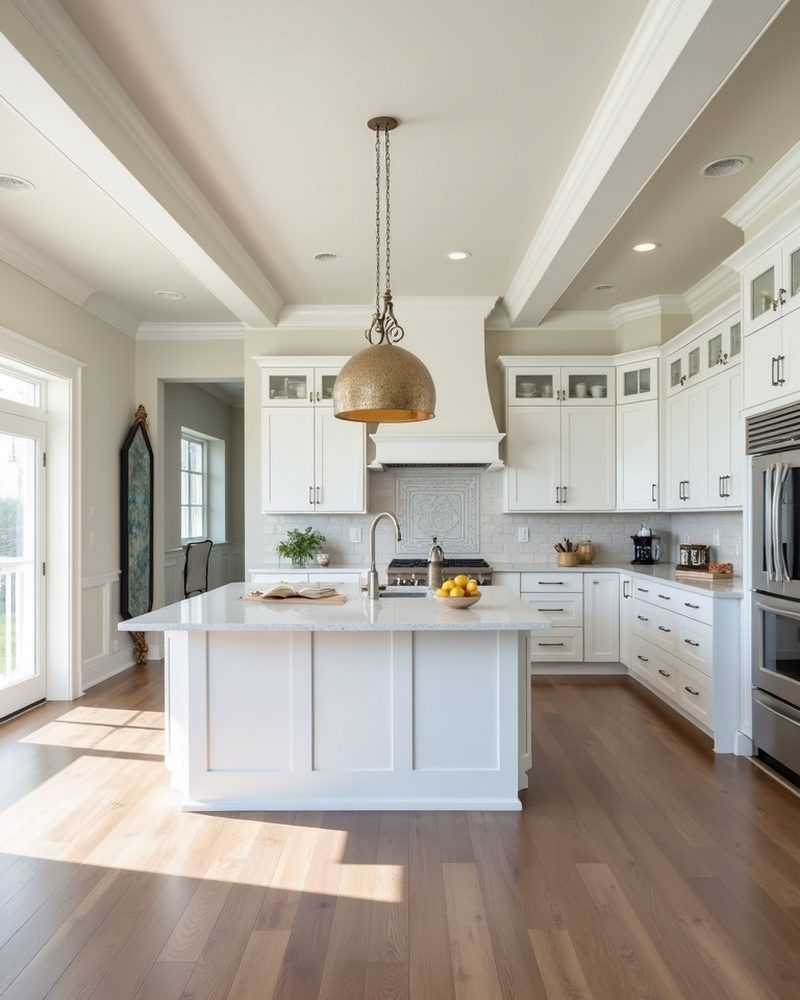
The Northeast Atlanta real estate market is constantly shifting, but some decision rules hold true across cycles. Whether you are buying your first home, trading up, downsizing, or selling to capture equity, this Home Value Compass will help you focus on the things that move price and sell homes fastest in neighborhoods across Northeast Atlanta. Use these practical guidelines now and you will be able to reference them for years to come as local markets evolve.
Quick market snapshot for buyers and sellers
Right now buyers are watching mortgage rates and inventory closely, while sellers who present homes well and price smartly still attract strong offers. For buyers, patience plus targeted neighborhood research leads to better deals. For sellers, small investments that address first impressions and key maintenance items deliver outsized returns. This post breaks down the specifics so you can act with confidence in Northeast Atlanta neighborhoods.
How to read neighborhood signals that matter
Look beyond photos and list price. The most durable value signals are: proximity to reliable commute routes, quality of nearby schools, active weekend amenities like parks and dining clusters, and recent sale prices on similar homes within a one-mile radius. Track new construction or rezoning news and local infrastructure projects because they alter demand over time. Use a three-month rolling view of comps to spot momentum rather than one-off outliers.
Pricing strategy for sellers that wins attention
Price at or slightly below current competitive comps to generate early activity and multiple-offer scenarios. Emphasize price transparency: show comparable sold data, detail recent improvements, and be clear about known maintenance needs. If you need a quick sale, present a realistic net-proceeds estimate including staging, inspection repairs, and closing costs so buyers see a clean path to closing.
Buyer negotiation tips that actually work
Start with an offer that reflects recent solds and adjusts for condition and market tempo. Include a reasonable inspection period and be specific about deadlines to keep sellers engaged. Where inventory is tight, consider escalation clauses or flexible closing dates. When markets favor buyers, insist on documented repair requests and contractor estimates to avoid surprise costs after closing.
Small improvements that deliver big resale value
Focus on curb appeal, light kitchen updates, fresh paint in neutral tones, and addressing visible mechanical or roof issues. Replace dated lighting and hardware for a low cost per perceived value gained. A pre-listing inspection can turn unknowns into selling points and speed up the contract process.
Inspection and maintenance checklist every buyer should use
- Roof condition and age
- HVAC service records and expected lifespan
- Plumbing leaks, water pressure, and sewer line age
- Electrical panel type and capacity
- Evidence of drainage or foundation movement
- Termite or pest history and treatments
Request documentation when available and factor expected repair timing into your offer or negotiation plan.
Timing your move within the year and micro-market weeks
Spring still attracts the most buyers, but off-season listings can shine if priced thoughtfully. For sellers, listing when competing inventory is low and buyers are active will shorten days on market. For buyers, watch for sellers who are motivated by life events or job moves during any season; those listings sometimes provide the best value.
Investment and rental considerations in Northeast Atlanta
If purchasing for rental income, choose neighborhoods with good school zones, convenient commute access, and low maintenance profiles (brick exteriors, manageable yards). Calculate conservative rent projections using a 5- to 7-year hold assumption and include vacancy, maintenance, and management fees. Track local employment trends and new business openings as early indicators of rising rental demand.
Micro-market mapping and how to use it
Treat Northeast Atlanta as a collection of micro-markets. Two streets can behave very differently. Build a shortlist of 3 to 5 micro-markets that meet your priorities—commute, price band, school, amenities—and monitor each one weekly. Use that data to jump quickly when a well-priced property appears or to identify the point when your neighborhood becomes seller-favorable.
How to avoid common mistakes
Don't assume staging is optional when inventory is competitive. Don't skip a real contractor estimate before waiving repair requests. And don't rely solely on national headlines; local comps and on-the-ground knowledge are what make a sale or purchase profitable.
If you want local comps, a tailored neighborhood report, or an on-site consultation for a specific address in Northeast Atlanta, reach out to Casey Barnett at 678-617-8452 or visit
caseysellsga.com. Practical local guidance saves time and money whether you are buying, selling, or investing.
Every market cycle rewards the people who prepare. Use this Home Value Compass to prioritize what truly affects price, focus your improvements for maximum return, and make offers or listings
